Montenegro’s Ancient Olive Trees and the Stara Maslina
On a small stretch of the Adriatic coast stands an olive tree that was old when Rome was young. Montenegro’s ancient olives are among Europe’s oldest living things — and they are still working.
The town of Bar, on Montenegro’s narrow Adriatic coast, guards one of the olive world’s living wonders : the Stara Maslina, the ‘Old Olive’, a tree estimated at well over two thousand years old. It is fenced, celebrated, married to local legend — couples once settled feuds beneath it — and, most remarkably, it is still alive. Its vast, hollowed, fire-scarred trunk has outlasted empires, and it still puts out leaves and fruit.
A tree older than the nations around it
The olive is almost uniquely long-lived. Where an oak counts centuries, a coastal olive can count millennia, because it regenerates from its own base — an old trunk hollows and dies while fresh shoots rise from the root crown, so the ‘same’ tree renews itself indefinitely. Like Crete’s Olive Tree of Vouves and Spain’s millennial Farga groves, the Stara Maslina is a reminder that a single olive can outlast the people, the languages and the borders around it.
A living variety, not just a monument
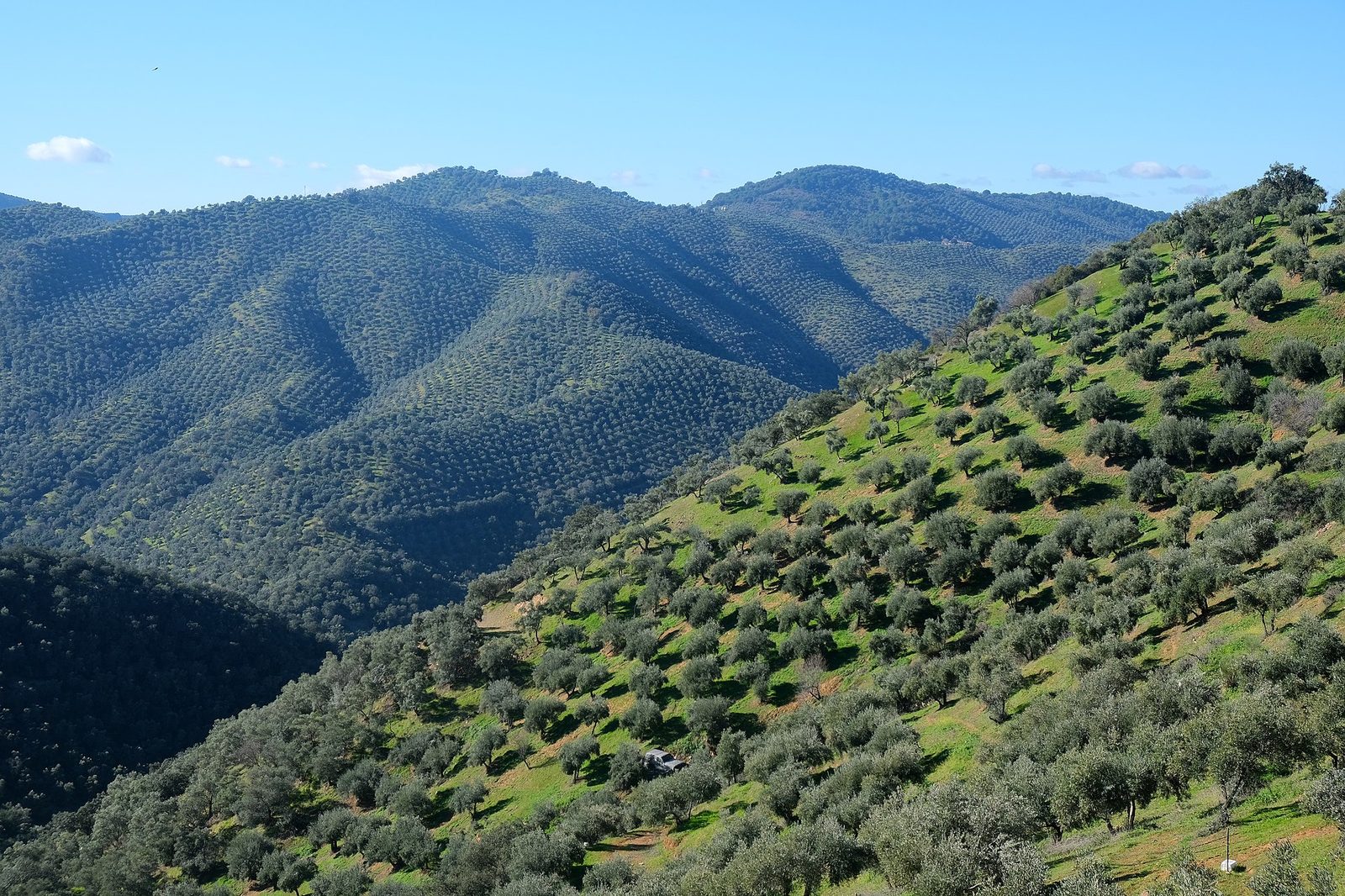
The Stara Maslina is a Žutica, the variety that carpets this coast and still presses a fruity, characterful oil today. Montenegro’s output is small and mostly local — you will rarely see it exported — but its olive culture is ancient and very much alive, woven into coastal cooking, feast days and family plots. The old trees are not curiosities set apart from the working groves ; they are the working groves, simply older.
Why the old trees are at risk
Ancient coastal olives face a modern squeeze. The warm, flat, sea-view land they grow on is exactly what developers want, so groves are cleared for building. Fire is the other threat — a dry summer blaze can gut in an hour a tree that took two thousand years to grow. Neglect finishes the job ; as young people leave farming, unpicked, unpruned trees decline. Protecting the giants means protecting the whole living landscape around them, not just fencing off the famous one.
| Where | Bar, Adriatic coast of Montenegro |
|---|---|
| What | The Stara Maslina, the ‘Old Olive’ |
| Estimated age | Over 2,000 years (some estimates higher) |
| Variety | Žutica — the local coastal cultivar |
| Status | Protected monument, still fruiting |
| Main threats | Coastal development, wildfire, neglect |
Why these trees matter
- They are living history — a single organism that has fruited across two thousand years of human upheaval.
- They prove the olive’s drought-hardiness — why it fed dry lands when little else would grow.
- They anchor a local variety (Žutica) and the coastal food culture built around it.
- They are fragile in a modern way : threatened less by age than by bulldozers and fire.
Montenegro’s ancient olives: common questions
How old is the Stara Maslina?
Estimates put it at well over two thousand years — old enough to have been mature before the Roman Empire reached its height. Exact ages for hollow-trunked olives are always approximate.
How can an olive tree live so long?
It renews from its own base : the old trunk may hollow and die while fresh shoots rise from the root crown, so the tree effectively regenerates itself over millennia. See the oldest olive tree in the world.
Does the old tree still produce olives?
Yes — remarkably, it still leafs and fruits. Many ancient coastal olives remain productive long after they become monuments.
What variety is it?
It is a Žutica, the native cultivar of Montenegro’s coast, which still presses a characterful local oil.
Why are these trees endangered?
Coastal development, wildfire and neglect — the flat sea-view land they occupy is prime for building, and a single dry-season blaze can destroy in an hour what took two millennia to grow.
Background on Montenegro’s ancient olives and the Stara Maslina; ages of hollow-trunked olives are always estimates.
It is tempting to treat these giants as photo-stops for tourists. They are more than that. A tree that has fruited for two thousand years on a thin coastal strip is a living lesson in why the olive fed hard, dry lands when little else would — and why, as the climate warms, this stubborn, drought-proof tree is spreading far beyond its old Mediterranean home. The ancient olives are not the olive’s past ; they are an argument for its future.
Drawn from records of Montenegro’s coastal olive heritage and the Stara Maslina at Bar.