Turkish Olive and olive oil producers and exporters seek compromise
Every few years the Turkish olive sector gathers to agree on the same conclusions: raise domestic consumption, build brands, stop selling the crop in bulk. Then prices spike, the government intervenes, and everyone learns the lesson again.
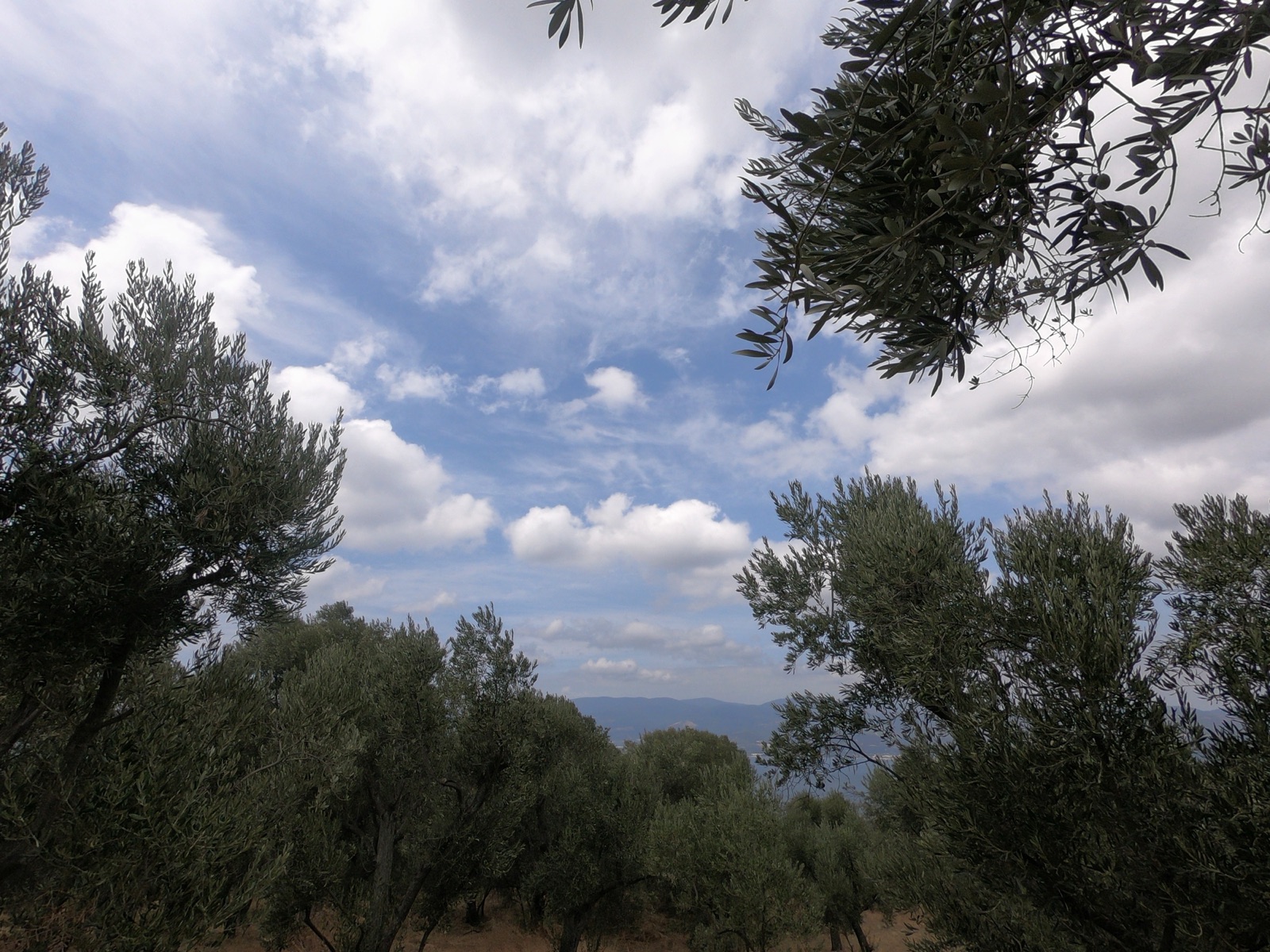
Türkiye is one of the world’s significant olive producers, with excellent native cultivars, a long and genuine olive culture, and a persistent structural problem that no amount of conference resolutions has fixed. Sector gatherings have for decades produced the same working groups and the same conclusions: promote domestic consumption, invest in research, improve promotion abroad, secure better producer support, and stop shipping the crop away in barrels. The diagnosis has never been wrong. The difficulty is that the three parties around the table want incompatible things, and the tiebreaker is usually politics.
The three-way bind
Growers want a high farmgate price and government support that makes a difficult crop worth farming. Exporters want unrestricted access to raw material at competitive prices, including the freedom to buy in and ship out in bulk when the domestic crop is short or expensive. Government wants affordable oil on domestic shelves, because olive oil is a staple food and its price is politically visible in a way that export statistics are not.
Those three positions cannot all be satisfied at once. High farmgate prices please growers and enrage consumers. Free bulk export enriches exporters in a good year and empties the domestic market in a bad one. Cheap domestic oil is achieved by restricting exports, which punishes the very companies who are supposed to be building the country’s international presence. This is not a Turkish peculiarity — it is the standard producing-country bind — but Türkiye demonstrates it more clearly than most because its swings are so sharp.
2023, and what a ban actually does
The recent case study is worth stating carefully. As global harvests fell short and world prices climbed to records, Turkish bulk and barrel exports surged — by several multiples in a single marketing year — draining oil out of the country and pushing domestic prices up with it. In August 2023 the government banned bulk olive oil exports outright. After intense lobbying from the sector, the ban was partially eased with a quota allowing a limited tonnage of bulk exports, and total exports fell dramatically against the previous year.
Short term, the intervention did what it was meant to do: it kept oil at home and moderated domestic prices. Longer term, it did something more expensive. Export markets are built on reliability, and a supplier who may be legally prevented from shipping is a supplier that international buyers hedge against. A country that intervenes in this way — however reasonably — teaches its customers to source elsewhere, and that lesson outlasts the policy.
Why bulk is a trap, and what the way out looks like
Selling in bulk is rational for any individual company and corrosive for a country. It requires no brand, no marketing, no distribution and no relationship with the person who eats the oil; the money arrives quickly and the risk is low. What it costs is everything downstream — the margin, the shelf presence and the customer all stay with whoever bottles it. A great deal of Turkish oil has historically left in barrels and reappeared inside somebody else’s famous label, and the value it created was recorded on someone else’s balance sheet.
The way out is unglamorous and slow, and Türkiye already has the ingredients. It has protected designations — the Ayvalık and Edremit gulf appellations, the Gemlik geographical indication — that give real, defensible identity. It has two great cultivars in Ayvalık and Memecik, capable of oils that hold their own in any international tasting. It has early-harvest production that competes at the top end. What it needs is the boring machinery of a branded sector: consistent quality control, credible grading, patient export marketing, and a domestic market that pays for quality rather than the cheapest litre.
| Bulk export | Branded export | |
|---|---|---|
| Speed of income | Fast — paid on shipment | Slow — years to build listings |
| Capital required | Low | High: bottling, marketing, distribution |
| Margin retained | Minimal | The whole downstream margin |
| Who owns the customer | The foreign bottler | The producer |
| Exposure to policy | Very high — the first thing a government restricts | Lower, but hurt by any reputation for unreliability |
| What it builds | Volume this year | A sector that survives a bad year |
What this means for a buyer
- Look for Turkish oil under Turkish names. Ayvalık and Memecik single-variety oils are widely available and genuinely good.
- Check for protected designations. Ayvalık, Edremit gulf and Gemlik indicate a defined origin and cultivar rather than a marketing region.
- Early harvest is the style to try. Turkish early-harvest oils are green, pungent and among the country’s best arguments for itself.
- Expect price volatility. Policy interventions and short harvests move Turkish prices sharply and at short notice.
- Do not assume a Mediterranean label means a Mediterranean country. Bulk oil crosses borders before it is bottled, whichever direction it is travelling.
Turkish olive oil: common questions
Why did Türkiye ban bulk olive oil exports?
In August 2023, after bulk and barrel exports surged on record world prices, draining supply from the domestic market and pushing local prices up. The ban was later eased with a quota permitting limited bulk exports.
What are the main Turkish olive varieties?
Ayvalık, from the northern Aegean around Ayvalık and the Edremit gulf, and Memecik, dominant further south around Muğla and Aydın. Gemlik is the best-known table olive variety.
Does Turkish olive oil have protected designations?
Yes. Ayvalık and Edremit gulf hold protected designation of origin status and Gemlik holds a protected geographical indication, tying oil to defined areas and cultivars.
Why is exporting in bulk a problem?
Because it earns quick, low-risk income while leaving the margin, the brand and the customer relationship with the foreign bottler. Countries that export bulk for a generation find their oil inside someone else’s famous label.
Is Turkish olive oil good?
Yes — at its best it is excellent, particularly early-harvest single-variety oils from Ayvalık and Memecik. The country’s difficulty has been commercial structure rather than quality.
I have sat in the room for versions of this argument in several countries and it always sounds the same, because the incentives are the same. The exporter is not the villain — he is doing the rational thing with the price in front of him. The government is not the villain either; nobody survives an election explaining why cooking oil doubled. But I will say this plainly: every year a country ships its harvest away in barrels is a year it does not build a customer. Türkiye has the varieties, the groves and the growers to sell under its own name at proper prices. The barrels are the easy road, and the easy road has been running for forty years without arriving anywhere.
Drawn from reporting on Türkiye’s 2023 bulk olive oil export ban and the subsequent quota, published trade data on Turkish export composition, and EU-registered Turkish olive oil designations.