Far from Spain, olives may have a home in Oregon soil
Everything about Oregon argues against olives — cool wet springs, short summers and the freeze that arrives every few winters to kill your work. The people planting them anyway are following a script the state has run before, with grapes.
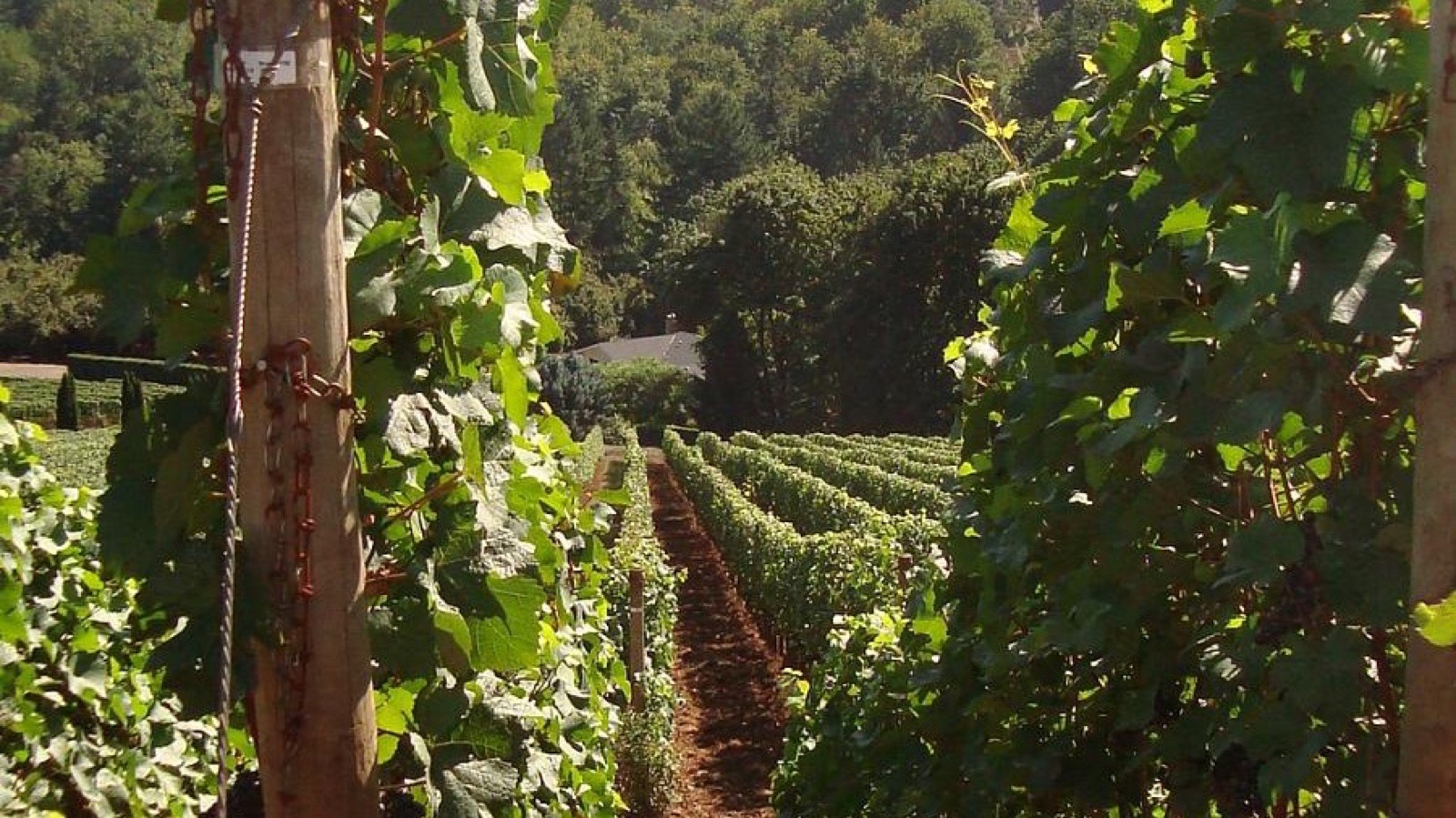
The case against olives in Oregon is easy to make and mostly correct. Olives want a long warm dry summer to ripen fruit and a mild winter that never gets seriously cold. The Willamette Valley offers a cool damp spring that interferes with flowering, a summer that is warm but short, an autumn that turns wet before the fruit is fully ripe, and — the killer — a hard freeze every few years that takes young trees back to the ground. On paper, this is not olive country. And yet there are commercial groves there, a working mill, and growers who have been at it long enough to have opinions worth listening to.
The wine precedent, which explains everything
You cannot understand Oregon olives without understanding Oregon wine. In the late 1960s and early 1970s a handful of people planted Pinot Noir in the Dundee Hills against the settled expert view that the climate was too cool and too marginal for serious wine. They were right and the experts were wrong, and the valley became one of the world’s reference regions for that grape. That history is living memory in these hills, and the same families and the same instinct are behind the olive plantings — including a mill established at a Dayton farm by a family who had already pioneered vines a generation earlier.
The parallel is genuinely instructive rather than merely charming. Marginal climates make small crops with high acidity and intensity, and they punish sloppiness. In wine that turned out to be a virtue. In olives it produces something similar: low yields, early picking by necessity, and a green, grassy, assertive oil quite unlike the softer, riper style of a warm-climate grove.
What actually survives
Two decades of replanting have produced a shortlist rather than a theory. The varieties that hold on in the valley tend to be the cold-tolerant and early-ripening ones — Arbequina, Koroneiki, Leccino, Mission, Pendolino and several Tuscan cultivars appear repeatedly in growers’ accounts of what came through the freezes. Just as important is what the trees are asked to do: ripening has to happen before the autumn rain sets in, so early varieties are not a preference but a requirement.
The freeze remains the defining risk, and it is not a gentle one. A hard winter does not reduce yield, it kills wood, and a young tree cut to the ground is several years of investment gone. Growers hedge with site selection on slopes and above frost pockets, with varietal diversity, and by simply accepting replanting as a routine cost of doing business rather than a disaster.
The honest economics
This is a boutique, not an industry, and the numbers are small enough to say plainly: a handful of commercial growers and well under a hundred acres, concentrated in the Willamette Valley, with milling capacity centred on Dayton. Nobody is competing with California, which produces a large majority of American olive oil, let alone with Spain.
What makes it work is that the oil is not really sold as a commodity. It is sold at the farm gate, through tasting rooms, mailing lists and olio nuovo events in November, at prices that reflect a small hand-farmed crop in an expensive labour market — and it is sold alongside wine, to visitors who are already in the valley to taste something. That is not a weakness of the model. It is the model. The same agritourism structure that made Oregon wine viable is what makes a hundred-acre olive sector viable, and any grower who tries to compete on supermarket price will lose.
| Willamette Valley | California Central Valley | Mediterranean heartland | |
|---|---|---|---|
| Summer | Warm but short | Long, hot, reliably dry | Long, hot, dry |
| Winter risk | Hard freezes every few years | Mild; occasional frost | Mild in most growing zones |
| Autumn | Rain arrives before full ripeness | Dry through harvest | Generally dry at harvest |
| Typical style | Early-picked, green, grassy, assertive | Broad range, much of it high-volume | Everything, from delicate to fierce |
| Scale | Under 100 acres | Tens of thousands of acres | Millions of hectares |
| Route to market | Tasting room, farm gate, mailing list | Retail and food service | Everything, including bulk export |
If you are tempted to plant in a cool climate
- Choose site before variety. A slope with cold-air drainage beats a flat field with a fashionable cultivar.
- Plant early-ripening varieties. If the fruit is not ready before the autumn rain, nothing else you do matters.
- Assume you will replant. Budget for freeze losses as a recurring cost, not a catastrophe.
- Spread your varietal risk. Growers who planted one cultivar learned the expensive way.
- Sell the story where you are. Cool-climate oil is a small, expensive, characterful product — it belongs in a tasting room, not a price war.
Olives in Oregon: common questions
Can olives really grow in Oregon?
Yes, in the Willamette Valley, with careful site and variety selection. Commercial groves and a working mill exist, though the total planted area is well under a hundred acres.
What is the main obstacle?
Hard winter freezes, which kill wood on young trees, combined with autumn rain that arrives before late varieties can ripen.
Which varieties work best there?
Cold-tolerant and early-ripening cultivars. Growers repeatedly name Arbequina, Koroneiki, Leccino, Mission, Pendolino and several Tuscan varieties.
What does Oregon olive oil taste like?
Typically green, grassy and assertive, because fruit is picked early out of necessity. It is closer in style to an early-harvest Tuscan oil than to a ripe, mellow one.
Is Oregon a serious olive oil region?
Serious in quality and ambition, tiny in volume. It is a boutique sector sold largely direct to visitors, in the same way the state’s wine industry began.
I like this kind of grower enormously, and I want to be honest about why the oil is expensive. It is not romance and it is not a margin grab. It is that a cool-climate grove yields less per tree, has to be picked early and quickly, sits in a high-wage economy, and every few winters it hands the grower a bill for trees that no longer exist. When you pay a lot for a small Oregon bottle you are paying for that arithmetic. The compensation is that these oils are almost always fresh — you are buying a few weeks after milling, from the person who milled it, which is a luxury most of the world’s olive oil buyers never get.
Drawn from published accounts of Willamette Valley olive growing, Oregon milling operations and grower experience of freeze damage and variety selection.