My Oil of Choice, Olive Oil!
Olive oil earns its place as the default fat in a kitchen for three reasons, and only one of them is health. Here is the honest case for it — and the three jobs it is genuinely wrong for.
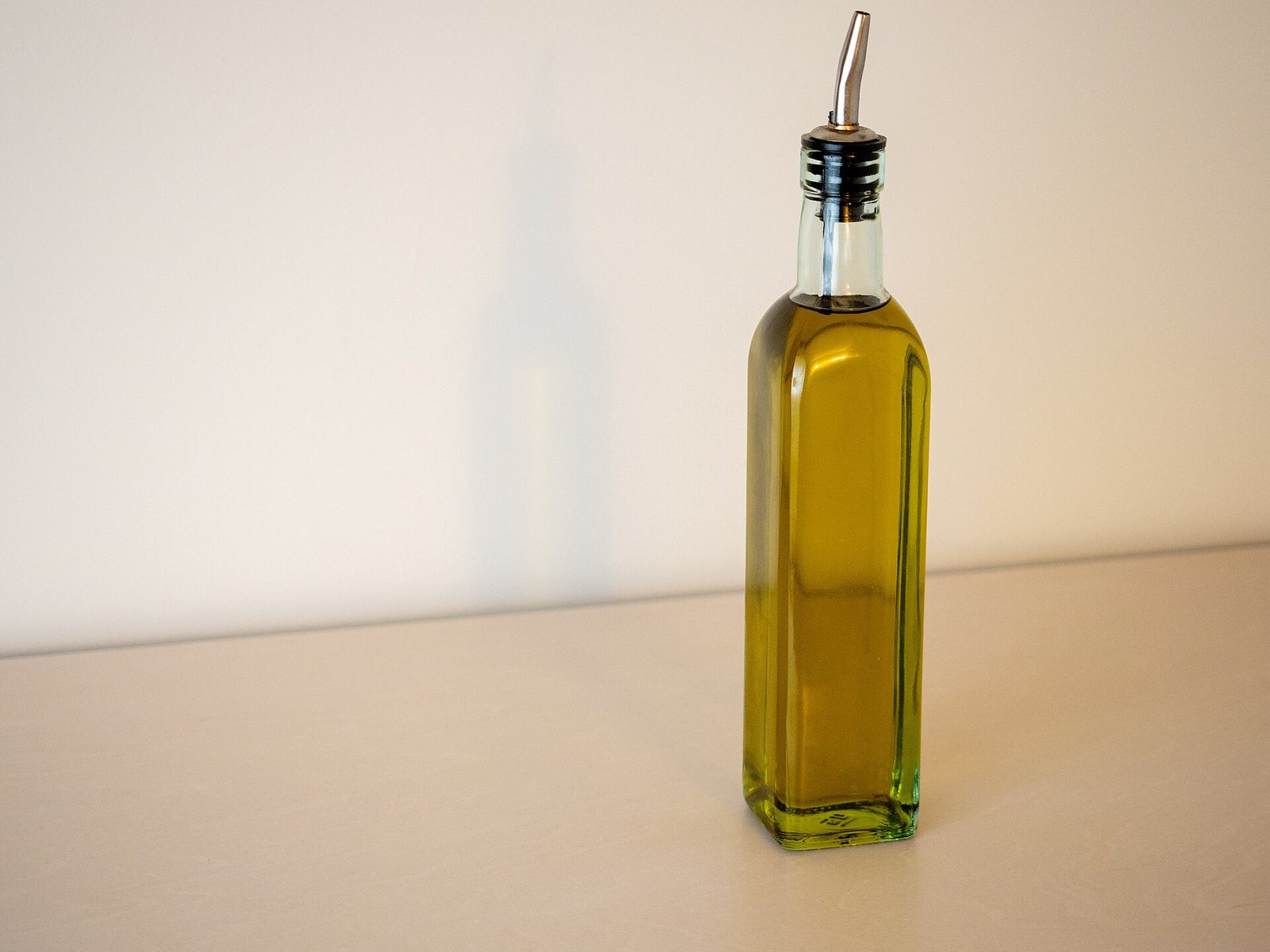
Every few years a newspaper column announces that olive oil is the healthiest fat, and every few years the argument gets a little sloppier in the retelling. The claim is broadly right and the reasoning is usually wrong, which matters, because the wrong reasoning leads people to buy the wrong bottle. So let us do it properly: what actually separates one fat from another, where olive oil genuinely wins, and where it is simply the expensive answer to a question you did not need to ask.
What actually separates one fat from another
Three things. First, the fatty-acid profile — how much of the fat is saturated, monounsaturated or polyunsaturated. Olive oil is dominated by oleic acid, a monounsaturated fat, typically around three-quarters of the total. Second, what else is in the bottle besides fat: vitamin E, squalene, and the phenolic compounds that give good oil its bitterness and its throat-catch. Third, and least discussed, how the oil was got out of the seed or fruit in the first place.
That third point is where olive oil is genuinely unusual. Most cooking oils are extracted from seeds with heat and solvent, then refined, bleached and deodorised — a process that produces a clean, neutral, stable fat and strips out almost everything that was not fat. Extra virgin olive oil is pressed or centrifuged from fresh fruit and nothing else is done to it. It is a fruit juice that happens to be oily. That is why it tastes of something, and why the something it tastes of is also the something that is good for you.
| Fat | Dominant fat | Roughly smokes at | How it is made | Where it belongs |
|---|---|---|---|---|
| Extra virgin olive oil | Monounsaturated | 190–207 °C | Mechanically extracted from fresh fruit; unrefined | Raw finishing, dressings, gentle frying, most roasting |
| Refined or ‘light’ olive oil | Monounsaturated | around 240 °C | Refined from lower-grade olive oil; flavourless | High heat, deep frying — no flavour, no phenols |
| Rapeseed / canola | Monounsaturated | around 205 °C | Solvent-extracted and refined (cold-pressed exists) | Neutral cooking, baking, frying on a budget |
| Sunflower, refined | Polyunsaturated | around 225 °C | Solvent-extracted and refined | Frying; oxidises readily, keep it fresh |
| Coconut, virgin | Saturated | around 175 °C | Pressed from fresh or dried flesh | Where you want the coconut flavour — and nowhere else |
| Butter | Saturated | around 150 °C | Churned cream | Flavour, pastry, low-heat cooking |
Where olive oil genuinely wins
Start with what it replaces. Swap butter or a hard fat for olive oil and you change the fatty-acid balance of the whole dish in a direction most dietary guidance agrees with. That is the substitution effect, and it is the strongest and least controversial part of the argument. It is not a claim that olive oil is medicine.
Then the phenols. Europe permits exactly one health claim on olive oil: that olive oil polyphenols help protect blood lipids from oxidative stress, and it may only be used where the oil carries at least 5 mg of hydroxytyrosol and its derivatives per 20 g. That is a narrow, specific, well-policed statement — and notice it says polyphenols, not olive oil. A refined, deodorised olive oil has essentially none of them and qualifies for nothing. The health argument, in other words, is an argument for real extra virgin, not for the category.
And then the part nobody puts in the health column: it tastes of somewhere. A grassy Tuscan oil and a sweet Andalusian one do different jobs on a plate. That is a culinary argument, and for most cooks it is the one that actually changes what they buy.
Three jobs it is wrong for
Deep frying a large batch. Extra virgin will do it — it is more heat-stable than its reputation suggests, because monounsaturated fat and phenols both resist oxidation — but you will spend a fortune and cook off the very things you paid for. Use a refined oil and keep the good bottle for the table.
Baking where you want no flavour. A fruity, peppery oil in a delicate sponge is a mistake. Either use a mild oil deliberately, or use something neutral.
Storing for a year. Olive oil is a fresh product. Its phenols and its aroma both decline from the day it is milled, and heat, light and air accelerate the decline. A big tin bought on offer and left by the hob is a worse buy than a small dark bottle finished in two months.
| Per tablespoon (15 ml) | About 119 kcal, 13.5 g fat |
|---|---|
| Monounsaturated | Roughly 10 g — mostly oleic acid |
| Saturated | Roughly 1.9 g |
| Vitamin E | Around 1.9 mg per tablespoon |
| Polyphenols | Highly variable — from near zero to several hundred mg/kg |
| EU health claim threshold | 5 mg hydroxytyrosol and derivatives per 20 g of oil |
| Best before, in practice | Best within 12–18 months of harvest; better sooner |
Buying it like someone who knows
- Look for a harvest date, not a best-before date. A best-before is a printing decision; a harvest date is a fact the producer had to stand behind.
- Buy dark glass or tin. Clear bottles on a lit shelf are a slow-motion accident.
- Buy a size you will finish. The cheapest oil per litre is not cheap if half of it goes stale.
- Taste for bitterness and pepper. Those are the phenols announcing themselves. A completely smooth, buttery oil is either very ripe fruit or very old oil.
- Keep two bottles. A cheap refined one by the hob for heat, a good extra virgin in the cupboard for everything that goes on a plate.
This is general information, not medical advice.
Olive oil as your everyday fat: common questions
Is olive oil really healthier than other oils?
The strongest evidence is about substitution — replacing saturated fats with monounsaturated ones. Beyond that, Europe allows one specific claim about olive oil polyphenols protecting blood lipids from oxidative stress, and only for oils rich enough in them. That is a narrower statement than most headlines suggest.
Can you cook with extra virgin olive oil?
Yes. It is more heat-stable than its reputation, thanks to its monounsaturated fat and its antioxidants. But high, prolonged heat destroys the aroma and phenols you paid for, so use a refined oil for deep frying and save the good bottle for lower heat and for finishing.
What does ‘first cold pressed’ mean?
Less than it sounds. Almost all modern extra virgin is produced by centrifuge, not press, and there is no second pressing to distinguish it from. The phrase is a legacy marketing term. The grade — extra virgin — plus a harvest date tells you far more.
How long does olive oil keep once opened?
Treat it as a fresh product. Sealed, cool and dark, a good oil holds up for a year or more from harvest; opened, aim to finish it within a couple of months. Rancid oil smells faintly of crayons, putty or old nuts.
Should I keep olive oil in the fridge?
Not usually. It clouds and solidifies, and the temperature swings from taking it in and out do it no favours. Cool, dark and tightly closed in a cupboard away from the stove is better — and buying smaller bottles is better still.
Here is the thing the health columns never say. The single biggest determinant of whether the oil in your kitchen is any good is not the country, the brand or the word on the front — it is how long ago it was milled and how it has been stored since. I have tasted magnificent oil from unfashionable places and dead, flat oil from the most prestigious labels in Italy, and the difference every time was time and heat. Buy small, buy dated, keep it in the dark, and finish it. That one habit will do more for both the taste and the nutrition than any amount of choosing between labels.
Fat composition and nutrient figures from standard food-composition data; the polyphenol claim from EU Regulation 432/2012 on permitted health claims.